
Is it Really Necessary to Fast Before a Blood Test?
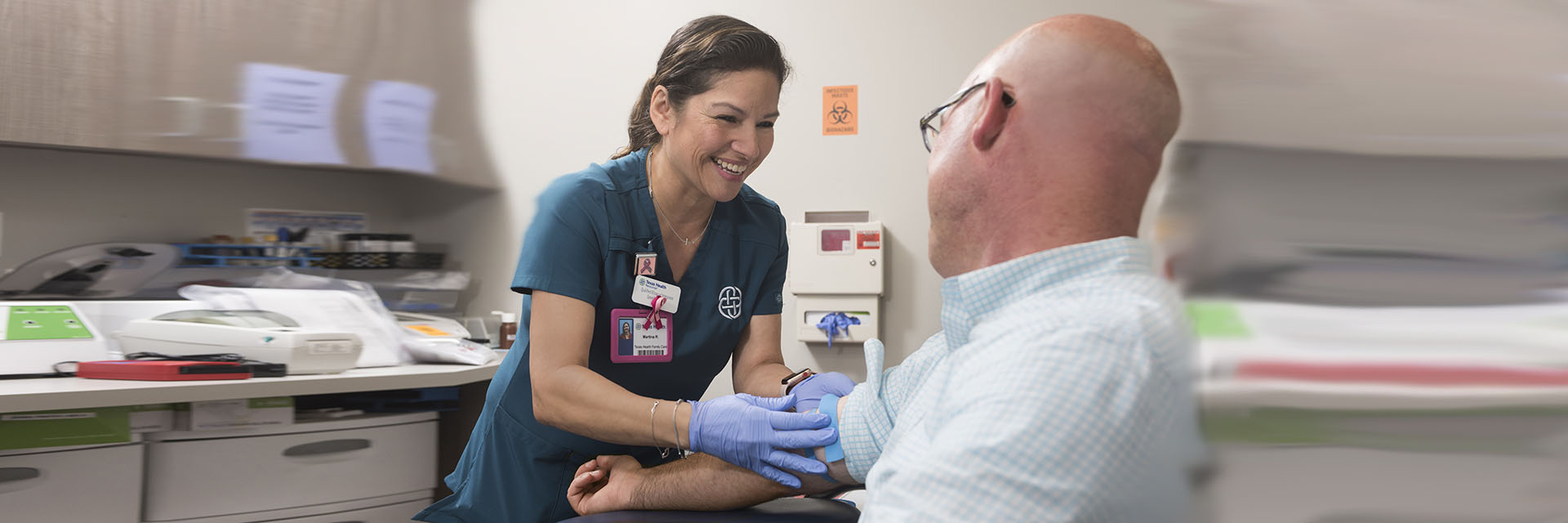
If your doctor has asked you to skip breakfast before coming in for blood work, you're not alone in wondering whether it's really necessary. The answer depends on which tests are being ordered. Some blood tests require fasting for accurate results. Many others do not. Understanding the difference can help you prepare confidently and avoid having to repeat a draw.
Primary care physicians commonly order blood tests as part of routine annual physicals and targeted health screenings. Here's what you need to know about fasting, which tests are affected, and how to make the process as smooth as possible.
Why fasting matters for some blood tests
When you eat or drink anything other than water, your body absorbs sugars, fats, and other nutrients that temporarily alter the levels of certain substances in your bloodstream. For tests that measure those substances directly, food and drink consumed in the hours before your draw can skew results and lead to a reading that does not reflect your true baseline.1
Fasting gives your body time to clear those temporary fluctuations. Most fasting windows for blood work fall between eight and twelve hours, depending on the specific test. Scheduling your appointment in the morning makes this easier for most people, since much of that window occurs during sleep.1
Blood tests that typically require fasting
Blood glucose tests
Tests that measure blood sugar levels to screen for or monitor diabetes generally require fasting for at least eight hours. Eating beforehand causes a temporary rise in blood glucose that can produce a falsely elevated reading, making it harder to distinguish between a true metabolic concern and a normal post-meal spike.2
One common alternative is the hemoglobin A1c test, sometimes called the A1c or HbA1c. This test measures your average blood glucose over the previous two to three months, so it is not affected by what you have eaten in the hours before the draw.2
Lipid panels
A lipid panel measures cholesterol and triglyceride levels to assess cardiovascular risk. Triglycerides in particular remain elevated in the bloodstream for several hours after a meal, so fasting for 10 to 12 hours before a standard lipid panel provides the most accurate picture of your baseline levels.1
In some situations, your doctor may order a non-fasting lipid panel. Whether fasting is required for your specific cholesterol test depends on the type of panel ordered and your provider's clinical judgment. Your care team will let you know what applies to you.
Basic and comprehensive metabolic panels
These panels assess electrolyte balance, kidney function, blood sugar, and other markers. Because blood glucose is included, your provider may ask you to fast for this test as well. Confirm with your doctor or nurse when your order is placed.
Blood tests that usually do not require fasting
Many of the tests included in a routine annual physical do not require fasting, including:
Complete blood count (CBC):
Measures red blood cells, white blood cells, and platelets to screen for anemia, infection, and other conditions. Not affected by food intake.
Thyroid function tests
Evaluate thyroid hormone levels, including TSH, T3, and T4. These tests are not influenced by fasting.
Kidney function tests
Assess how well the kidneys are filtering waste from the bloodstream. Eating does not significantly affect these results.
Most liver function tests
Standard liver enzyme panels are generally not sensitive to recent food intake, though some specific liver tests, such as a GGT, may require fasting in certain clinical contexts.
Keep in mind that fasting and non-fasting tests are often ordered together during an annual visit. Even if some of your individual tests do not require fasting, your doctor may ask you to fast ahead of the appointment so that all tests in the order can be completed in a single draw.
If you're not certain whether your specific order requires fasting, call your care team before your appointment. Don't guess. A quick phone call can save you from needing to reschedule or repeat your draw.
How to prepare for your blood draw
Confirm fasting requirements in advance
Before the day of your appointment, check with your doctor's office or the lab facility about whether fasting is required for your specific tests. This simple step eliminates uncertainty and helps you plan your morning without unnecessary stress.
Drink water
Water is encouraged during the fasting window. Staying hydrated helps keep your veins fuller, which makes it easier for the phlebotomist (the trained professional drawing your blood) to locate a vein and complete the draw efficiently.1
Avoid strenuous exercise for 24 hours before your draw
Heavy physical activity before a blood test can temporarily affect certain results, including blood glucose levels and muscle enzyme markers. Light walking is generally fine, but it's a good idea to hold off on intense workouts until after your appointment.
Disclose what you've eaten if you break your fast
If you were instructed to fast and accidentally ate or drank something other than water, do not skip your appointment. Let the lab staff know before your draw. The phlebotomist can note it in your record so your provider can interpret results with that context in mind.
Take your regular medications unless told otherwise
Unless your doctor has specifically told you to hold a medication on the morning of your blood test, you can take it as usual. If you are unsure, check with your prescribing physician before the appointment.2
Frequently asked questions
How long do I need to fast before a blood test?
For most tests that require fasting, the window is eight to twelve hours. The exact duration depends on which tests are being ordered. Your doctor or the lab will provide specific instructions when your test is scheduled. Scheduling an early morning appointment is the most practical approach for most people, since the fasting window overlaps with overnight sleep.
Can I drink coffee while fasting for blood work?
Plain water is the only beverage that is universally safe during a fasting window for blood work. Coffee, even black coffee without sweetener, can affect certain results. Unless your provider has specifically told you that black coffee is fine for your particular tests, it's safest to wait until after your draw.
What if my doctor didn't mention fasting and I'm not sure whether I need to?
Call your doctor's office or the lab before your appointment to confirm. The specific tests on your order determine whether fasting is required. If you cannot reach anyone in time, it is generally better to fast and clarify at the appointment than to eat and risk an inaccurate result that requires a repeat draw.
Is it safe to fast if I have diabetes?
People with diabetes should consult their physician before fasting for any blood test. In some cases, fasting carries a risk of blood sugar dropping too low, and your doctor may prefer to order a non-fasting version of certain tests or adjust timing around your medications. Always follow your care team's specific guidance.
References
- Cleveland Clinic. Fasting for Blood Work
- Harvard Health Publishing. What blood tests require fasting?