
Spring Sports Safety: Preventing Common Injuries in Kids
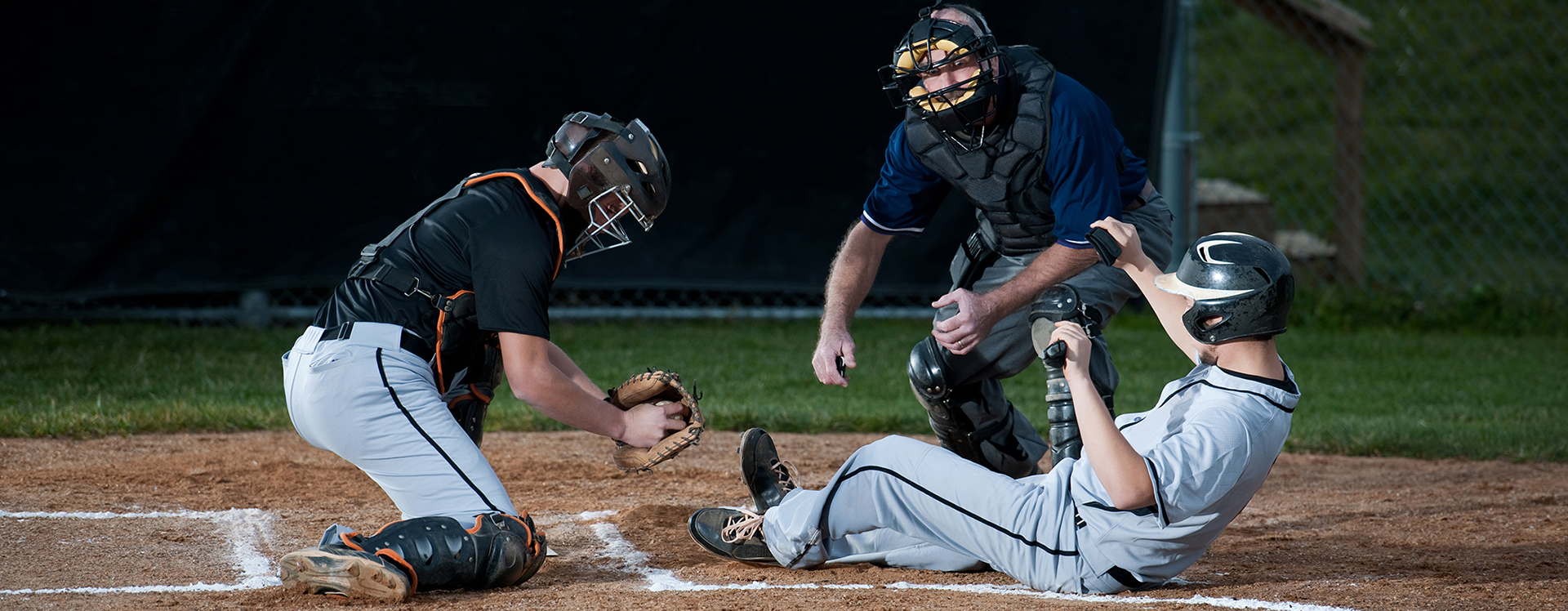
Spring brings the excitement of baseball games, soccer matches, and outdoor adventures. These activities are fantastic for keeping kids active and healthy, but they also come with a higher risk of injuries. By taking preventive measures, recognizing when to seek medical attention, and helping your child return to sports safely after a break, you can make the season both safe and enjoyable.
Here are some tips for preventing common spring sports injuries.
Prioritize Pre-Season Physicals

Jared Cloud, D.O.
A sports physical should be scheduled before your child starts playing, according to Jared Cloud, D.O., a physician on the medical staff at Texas Health Arlington Memorial, and a family and sports medicine physician with Sideline Orthopedics & Sports, a Texas Health Physicians Group practice.
“These checkups help identify potential issues early and ensure your child is physically prepared for the demands of their sport,” Cloud says. “Getting the exam done at least six weeks before the season begins allows plenty of time for any needed follow-up care with a specialist, conditioning, or rehabilitation — if needed based on the exam. It also gives any healthcare providers working with your child the opportunity to fine-tune their care plan to best help your child prepare for sports play.”
Many healthcare providers offer affordable options for these checkups.
Use the Right Equipment
Make sure your child has well-fitting gear that meets safety standards. Helmets for baseball, shin guards for soccer, and other sport-specific equipment play a major role in preventing injuries. Outdated or poorly fitting gear can increase risk.
Warm Up and Cool Down
Encourage your child to stretch and warm up before practices and games to reduce the likelihood of strains (injuries to muscles) and sprains (injuries to ligaments). Cooling down afterward helps prevent stiffness and supports recovery.
Avoid Overuse Injuries
According to the American Academy of Pediatrics, most young athletes experience overuse injuries rather than traumatic ones. Sprains, strains, and stress fractures (injuries to bones) are especially common.
“The repetitive nature of performing the same sport-specific skills places significant stress on growing bodies, which can lead to long-term musculoskeletal issues,” Cloud says. “Encourage your child to play a variety of sports throughout the year and take regular breaks to rest their muscles and joints.”
Hydrate and Stay Conditioned
Dehydration and poor conditioning can lead to fatigue, which increases the chance of injury. Make sure your child drinks plenty of water and gradually builds their fitness level before the season starts.
When to See a Doctor
Knowing when an injury requires professional care is essential for your child’s health and safety. While many minor injuries can be treated at home with rest and basic first aid, some symptoms indicate the need for immediate evaluation.
Acute Injuries
Acute injuries occur suddenly and often result from a specific incident or trauma. Seek emergency care if your child experiences any of the following symptoms:
- Intense or worsening pain
- Rapid or significant swelling
- Inability to bear weight
- Visible deformity, such as a bone protruding through the skin or joints that appear misaligned
- Uncontrolled bleeding
- Numbness or bluish discoloration in the injured area
These symptoms may be a sign of a serious condition such as a fracture, severe sprain, or dislocation that requires prompt treatment.
Overuse Injuries
Overuse injuries develop gradually due to repetitive stress on muscles, tendons, or bones. While less immediately alarming than acute injuries, they can lead to long-term problems if not addressed.
Consult a sports medicine specialist if you notice:
- Persistent pain that doesn’t improve with rest
- Pain that returns during or after activity
- Swelling that doesn’t resolve
- Reduced range of motion
- Weakness in a limb or muscle group
These symptoms may signal tendinitis, stress fractures, or growth plate injuries. If basic RICE (Rest, Ice, Compression, Elevation) treatment doesn't alleviate symptoms within a few days, a professional evaluation is recommended.
Concussions and Heat-Related Issues
Head injuries and heat-related illnesses require special attention. Seek urgent care if your child shows:
- Dizziness or balance problems
- Confusion or difficulty concentrating
- Vomiting
- Shortness of breath
- Headache that worsens or doesn't improve
- Sensitivity to light or noise
- Changes in sleep patterns
- Irritability or other mood changes
For heat-related issues, also watch for:
- Excessive sweating or, conversely, an inability to sweat
- Rapid heartbeat
- Muscle cramps
- Nausea or vomiting
- Fainting or loss of consciousness
Remember, when it comes to your child's health, it's always better to err on the side of caution. If you're unsure about the severity of an injury, consult with a healthcare professional.
Easing Back into Sports Safely
If your child is returning to sports after time off, help them ease back in:
- Gradual Progression: Start with light activity and slowly increase intensity to allow the body to adapt and prevent an overuse injury.
- Monitor for Symptoms: Watch for discomfort or pain and pause activity if symptoms persist. Consult a healthcare professional before resuming full activity.
- Emphasize Technique: Reinforce proper form and technique to reduce injury risk, especially in sports with repetitive motions.
The Takeaway
By focusing on proper preparation, recognizing early signs of injury, and supporting a safe return to activity, you can help your child enjoy spring sports while minimizing risks.
“Sports should be fun, confidence-building, and enriching — not interrupted by preventable injuries,” Cloud says. If you have concerns about your child’s health during the season, don’t hesitate to reach out to a healthcare provider.”
For more information about Texas Health Sports Medicine or to find a sports medicine physician, visit TexasHealth.org/SportsMedicine.