
From Heart Murmur to Heart Surgery Without Skipping a Beat
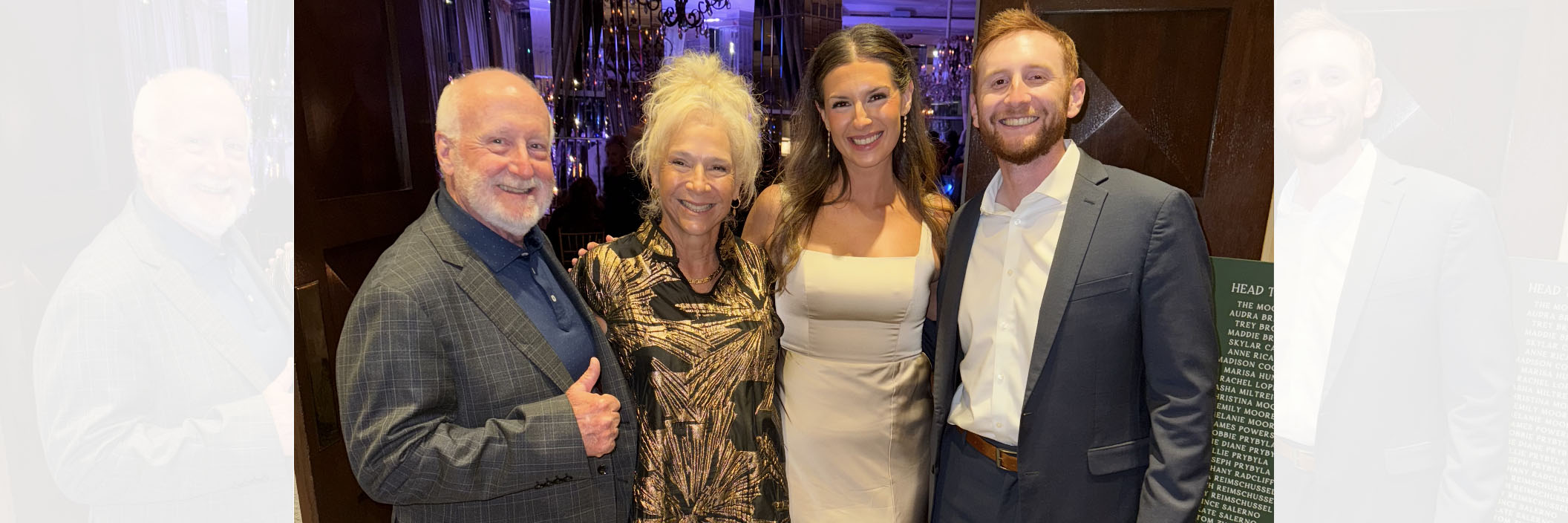
For years, Greg Hunt lived an active, full life with little more than a routine note in his medical chart: a heart murmur. It never slowed him down. At 65, Greg was working, golfing whenever he could, and enjoying time with his family. He had already recovered smoothly from both a hip replacement and a knee replacement. His heart had never been a problem—until it suddenly became one.
When Greg prepared for another knee replacement, his doctors uncovered a more serious concern. The heart murmur he had lived with for years was now caused by a progressive condition called aortic stenosis. Over time, one of his heart valves had narrowed, limiting blood flow from the heart to the rest of his body. Surgery on his knee would have to wait.
“The doctor told me my heart had to be fixed first,” Greg says. “That changed everything.”
Greg was referred to the Structural Heart Center at Texas Health Fort Worth, one of North Texas’ specialized programs dedicated to treating complex heart valve disease. There, a multidisciplinary team of valve specialists confirmed the diagnosis and discussed treatment options.
Initially, Greg was told that open-heart surgery would provide the most durable result. But he wanted to understand every option. His search led him to Moritz Wyler von Ballmoos, M.D., an internationally recognized heart valve surgeon on the medical staff at Texas Health Fort Worth and System Chair of Cardiovascular and Thoracic Surgery for Texas Health Resources.
“Dr. Wyler didn’t just tell me what could be done—he explained what made sense for me,” Greg recalls. “He gave me confidence.”
Greg was an excellent candidate for a minimally invasive aortic valve replacement, a procedure that avoids opening the breastbone and allows for faster recovery and quick return to physical activities.
“Many patients with aortic stenosis can be treated through a small incision on the side of the chest,” explains Wyler von Ballmoos. “This approach replaces the diseased valve effectively while reducing surgical trauma and recovery time.”
Greg underwent surgery through a two-inch incision and spent just three days in the hospital before heading home. His recovery exceeded expectations.
 “I asked what my restrictions were,” Greg says. “Dr. Wyler von Ballmoos told me there are no restrictions and I’d know what my body could handle.” Within a week, Greg was lifting weights. Ten days after surgery, he was back on the golf course.
Now, eight months later, Greg says he feels stronger than he has in years. He’s back to living life on his terms—as a husband, a grandfather, and an active man with plans ahead of him.
“I’m incredibly grateful to the Cardiac ICU team, Ashley McIntosh, Dr. Brendan Reagan, and especially Dr. Wyler von Ballmoos,” Greg says. “I have a lot of life left to live, and they made sure I could.”
At Texas Health, advanced heart valve care isn’t just about treating disease—it’s about getting patients back to what they love to do.
Learn more about structural heart disease and treatment options at Texas Health Connect or take a heart health assessment to understand your risk and your options.