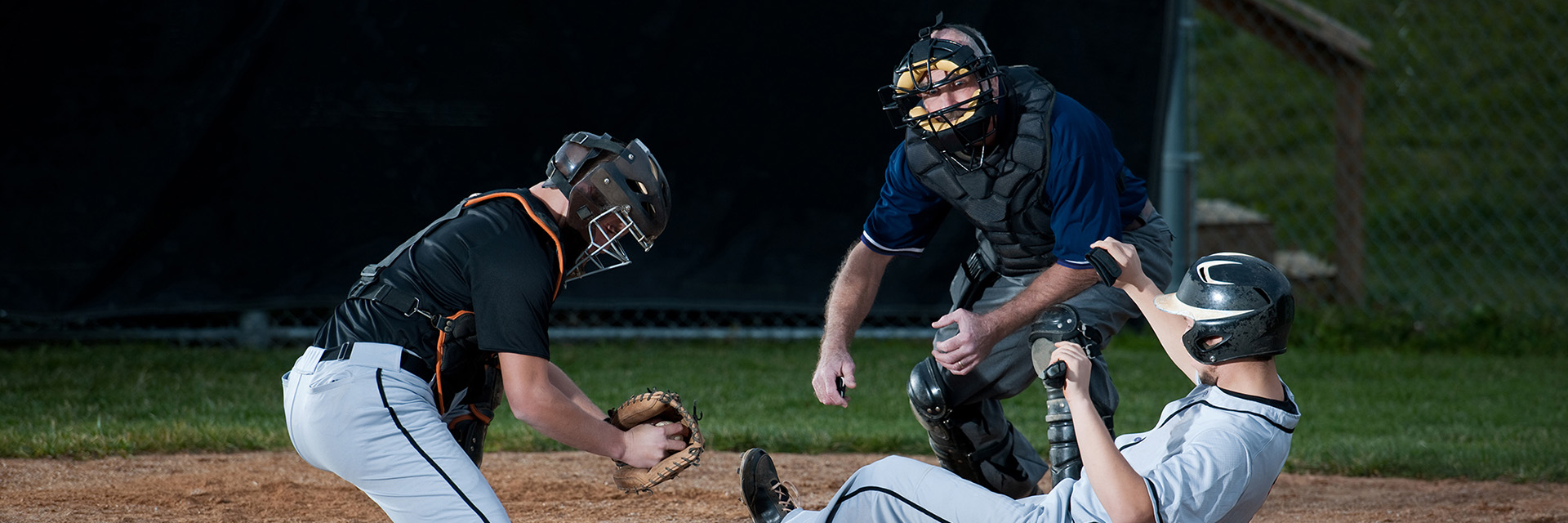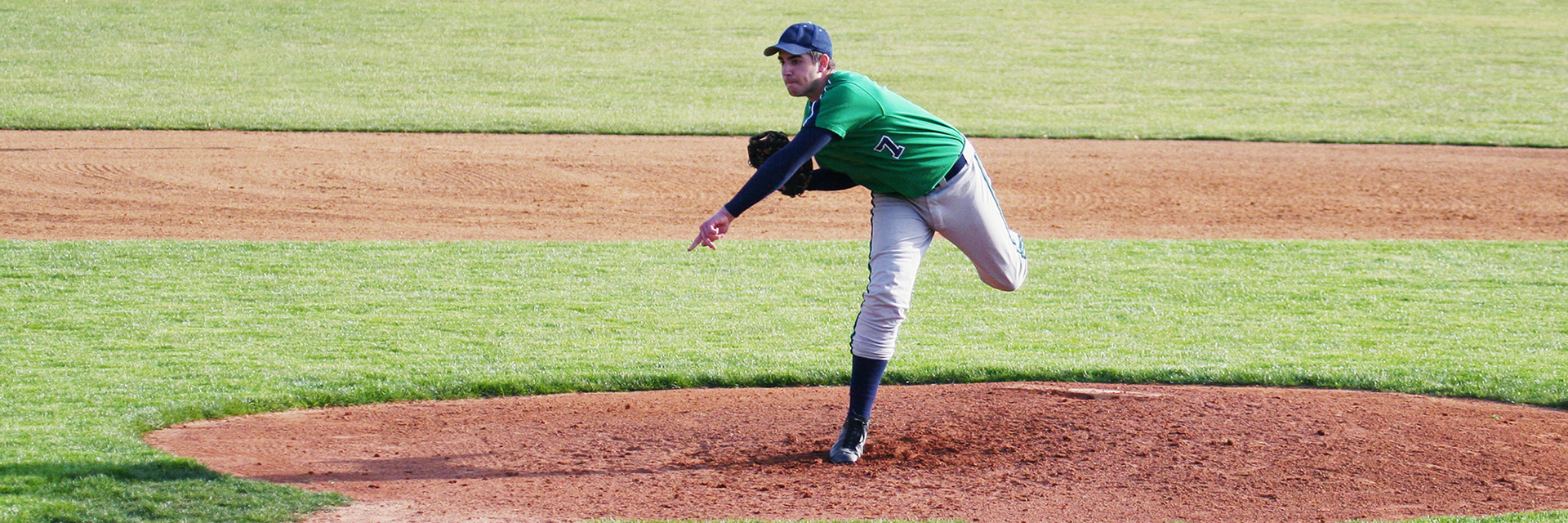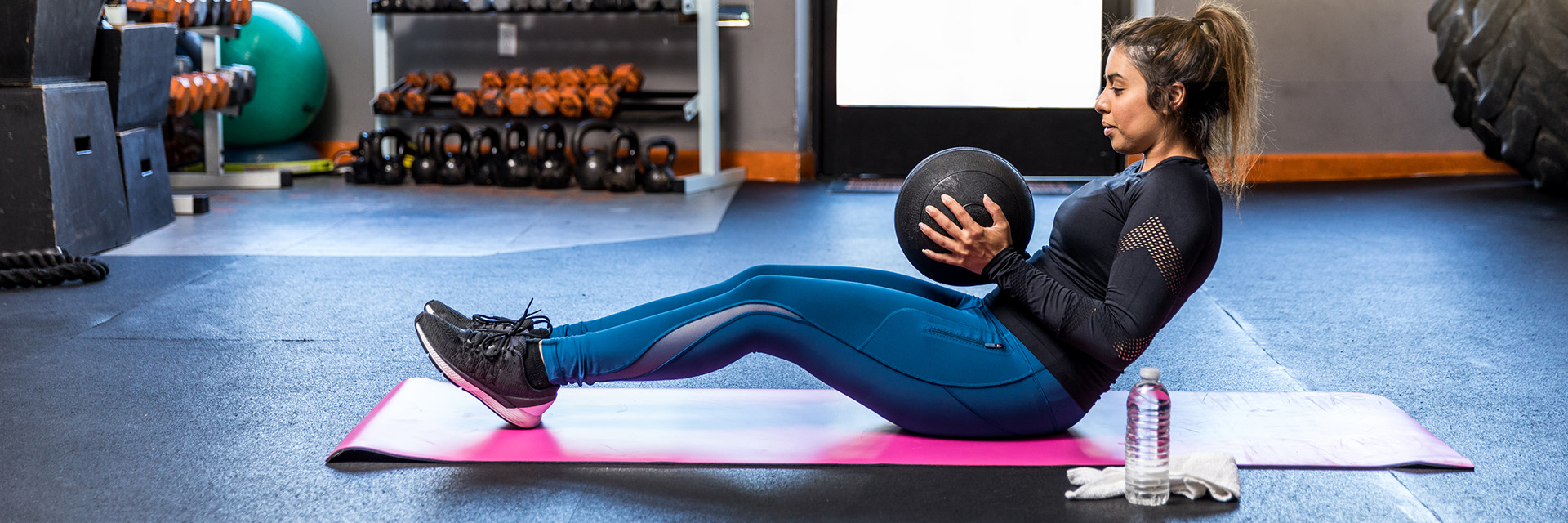
Whether you are a competitive athlete, weekend warrior or active adult, a sports-related injury can affect your ability to move, train and participate in the activities you enjoy. Learning how to recognize symptoms, reduce injury risk and respond when an injury occurs can help support recovery and a safe return to activity.
Sports Injury Prevention, Treatment and Recovery
Sports injuries can happen during training, competition, exercise or everyday activity. Texas Health Sports Medicine provides information to help athletes and active individuals understand common sports injuries, injury prevention, treatment options and when to seek care.
Whether you are a competitive athlete, weekend warrior or active adult, a sports-related injury can affect your ability to move, train and participate in the activities you enjoy. Learning how to recognize symptoms, reduce injury risk and respond when an injury occurs can help support recovery and a safe return to activity.
Understanding Sports Injuries
Many people enjoy living an active lifestyle, whether that means playing organized sports, exercising regularly or participating in recreational activities. While movement is an important part of overall health, sports injuries can occur at any age or activity level.
A sports injury may involve muscles, tendons, ligaments, joints or bones. Some injuries happen suddenly, while others develop over time due to overuse, repetitive motion or changes in training. Understanding the type of injury and how it happened can help guide next steps for care.
If you or your athlete is dealing with pain, swelling, limited movement or a new injury, it can be difficult to understand medical terms and treatment options. Texas Health Sports Medicine provides educational resources to help patients and families feel more informed about sports injury prevention, treatment and recovery.
Injury Prevention
Preventing sports injuries before they happen is ideal. While not every injury can be avoided, there are steps athletes and active individuals can take to help reduce injury risk.
Ways to help reduce the risk of a sports injury include:
- Having an annual physical before participating in sports
- Building strength, flexibility and conditioning before athletic activity
- Getting proper nutrition and hydration
- Warming up before activity and cooling down afterward
- Using proper technique, equipment and form when appropriate
- Resting when pain, fatigue or overuse symptoms occur
Common Sports Injuries
Sports injuries can range from mild to more serious conditions requiring medical evaluation. Common athletic injuries include:
- Bruising
- Muscle cramps
- Sprains involving the ligaments
- Strains involving muscles or tendons
- Tendonitis caused by overuse
- Bursitis, or inflammation of the bursa
- Ankle sprains
- Knee injuries
- Shoulder injuries
- Running injuries
- Sports-related concussions
- Ligament injuries, including ACL injuries
- Overuse injuries affecting the knees, hips, elbows or shoulders
Identifying and responding to sports injuries early may help reduce pain, swelling, loss of motion and loss of function. Pain should not be ignored, especially if it limits movement, worsens over time or affects daily activity
What to Do After a Sports Injury
As soon as possible after an acute athletic injury, the acronym PRICE may help you remember basic injury care steps:
P - Protect
Protect the injured area from further injury by using taping, bracing, splinting or immobilization when appropriate.
R - Rest
Rest the injured area by stopping painful activity or exercise.
I - Ice
Apply ice to the injured area to help manage swelling and discomfort. Use a barrier between the ice and skin.
C - Compress
Use an elastic bandage or wrap to provide compression. The wrap should be snug enough to help control swelling but not so tight that circulation is affected.
E - Elevate
Elevate the injured area above the level of the heart, when possible, to help reduce swelling.
These steps may help with immediate injury care, but they are not a substitute for medical evaluation when symptoms are severe, persistent or worsening.
When to See a Sports Medicine Physician
Every sports injury is different. Some minor injuries may improve with rest and home care, while others may require evaluation by a physician or sports medicine specialist.
Consider contacting a physician if:
- Pain is difficult to tolerate
- Movement of the affected area is limited
- Swelling does not improve after a few days
- Symptoms worsen instead of improving
- Pain returns when activity resumes
- The injury affects walking, running, throwing or normal daily movement
- A concussion or head injury is suspected
A sports medicine physician or physical therapist can help evaluate the injury, discuss treatment options and recommend a recovery plan based on the patient’s condition, activity level and goals.
Sports Injury Treatment and Recovery
Treatment for a sports injury depends on the type and severity of the injury. Care may include rest, activity modification, physical therapy, rehabilitation exercises, bracing or additional medical evaluation when appropriate.
Sports physical therapy may help patients rebuild strength, improve flexibility, restore mobility and support a safe return to activity. For athletes and active individuals, rehabilitation may also include movement training, injury prevention education and guidance specific to a sport or activity.
Why Choose Texas Health Sports Medicine?
Texas Health Sports Medicine provides care and educational resources for athletes and active adults recovering from sports injuries or working to reduce injury risk. Our team focuses on personalized care, injury prevention and rehabilitation designed around each patient’s needs and activity goals.
With sports medicine locations across Dallas-Fort Worth, patients have access to care close to home. Texas Health Sports Medicine can help patients better understand their injury, explore treatment options and take steps toward returning to the activities they enjoy.
Find a location near you.