

Need to schedule a screening mammogram?
Find a Texas Health location near you and request an appointment. Texas Health offers screening mammogram scheduling across the Dallas-Fort Worth area.
Understanding when to begin screening is an important part of maintaining your breast health.
Mammogram Guidelines
Women at average risk for breast cancer should start annual mammograms at age 40 and continue through age 74. Women who have an increased risk for breast cancer due to family history, a known BRCA1 or BRCA2 gene mutation or other risk factors should discuss screening options with their physician. Together, you can decide what’s right for you.
General screening recommendations:
- Begin annual mammograms at age 40
- Continue regular screening through age 74
- If you are at higher risk, talk with your physician about earlier or additional screening
Your individual risk may affect when you should begin screening and how often.
Risk Factors for Breast Cancer
Several factors may increase your risk of developing breast cancer. Understanding your risk can help guide screening decisions and conversations with your healthcare provider.
Personal and Family History
- Family history of breast, uterine, ovarian or colon cancer
- Known genetic mutations such as BRCA1 or BRCA2
Hormonal and Reproductive Factors
- Early menstruation (before age 12)
- Late menopause (after age 55)
- Having children later in life or not having children
Medical History
- Prior radiation to the chest area at a young age
- Hormone replacement therapy (HRT)
Lifestyle Factors
- Alcohol use
- Obesity
Mammograms can find signs of breast cancer early — often before you can feel a lump during a breast exam. That’s why regular screenings are one of the most important steps you can take to protect your health.
-
Why Choose Texas Health for Your Mammogram?
Breast Care Designed with You in Mind
At Texas Health, we understand that breast health is personal — and so is your experience. That’s why many of our breast centers offer a calming, spa-like environment to help you feel more at ease before your mammogram. From soothing music and private changing areas to refreshment stations and valet parking at select locations, we’ve created spaces that prioritize your comfort.
Advanced Imaging with a Personal Touch
Physicians on the medical staff will recommend the imaging approach that’s most appropriate for your needs. Many centers offer curved paddles and comfort pads to help make your mammogram more comfortable, while still providing the high-quality images needed for diagnosis.
Timely Results You Can Trust
We know waiting can be stressful. That’s why patients are typically contacted as soon as possible with their mammogram results — so you can take the next steps with clarity and confidence.
Convenient Locations Across North Texas
With 18 breast imaging centers throughout the Dallas-Fort Worth area, Texas Health makes it easier to stay proactive about your breast health. Whether it’s your first screening or a follow-up appointment, we’re here to support you — close to home and on your schedule.
-
What Should I Do Before My Appointment?
To help make your visit smooth and comfortable, here are a few things to keep in mind:
- Bring your previous mammogram images if you're a new patient or have them sent ahead of time.
- Wear a two-piece outfit — it makes changing for your exam easier.
- Skip deodorant, powders, body oils, or perfume on the day of your appointment, as they can affect your results.
- Please don’t leave children under 13 unattended in the waiting area.
Cell phones aren’t allowed in exam rooms to help maintain a calm and focused environment.
-
What is a 3D Mammogram?
3D screening mammograms are the preferred type of exam at Texas Health Breast Centers. With a 3D mammogram, the machine takes images of the breast from multiple angles. A computer then creates a 3D image of the breast that the radiologist can examine like pages in a book. Additional benefits include:
- Improves radiologists' ability to screen for and detect potential breast cancers.
- Helps radiologists pinpoint size, shape and location of abnormalities.
- Aids in distinguishing harmless abnormalities from real tumors, leading to fewer callbacks and less anxiety for women.
3D mammograms can also find microcalcifications (tiny deposits of calcium) that sometimes indicate the presence of breast cancer.
-
Will the 3D Mammogram feel Different?
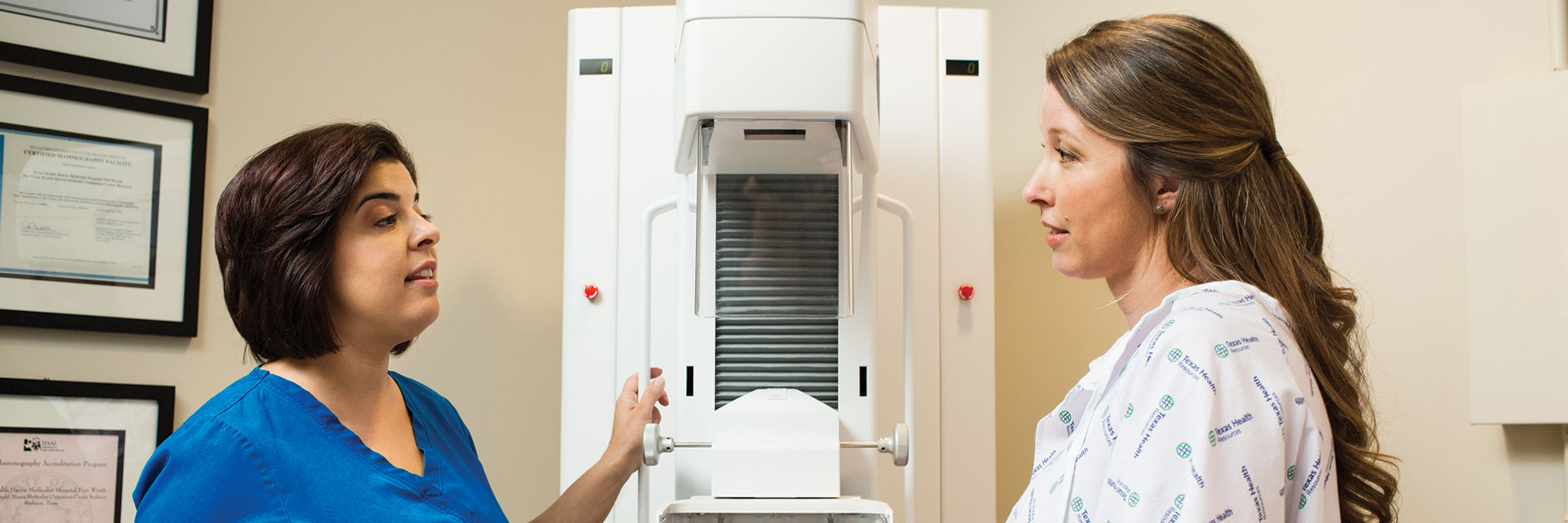
If you have had a mammogram before, you will likely not notice a difference with the exam. During the exam each of your breasts will be compressed between two plates for a few seconds. The breasts will gradually be pressed, and you will be asked to adjust you position several times to take different images. Each breast will be compressed a minimum of two times.
Does My Insurance Cover 3D?
Yes, most insurance plans cover 3D mammography, thanks to Texas House Bill 1036. There are some exceptions, so please verify with your insurance company before the appointment.
If You Are Called Back for Additional Testing
It is fairly routine to receive a request to come back for additional mammogram images or an ultrasound. These additional images may be necessary in order for the radiologist to complete the interpretation of your exam.
-
What is the Difference between a 2D and 3D Mammogram?
A 2D mammogram only takes images of the front and side of the breast, which often overlaps the tissues and can hide certain indicators of cancer. During the 3D portion of the mammogram, images are taken from multiple angles to create a more comprehensive picture of the breast for the radiologists to examine like the pages of a book.
-
Will the Mammogram Hurt?
To get the best images, your breast will be gently positioned between two paddles and gradually compressed. This helps create a clear view for the radiologist. You may feel some pressure or discomfort, but it shouldn’t be painful. If you do feel pain, let your technologist know — they’re there to help make the experience as comfortable as possible.
Curved Comfort Paddles
Many Texas Health Breast Centers offer curved paddles that better match the natural shape of the breast. This helps apply even compression and may reduce discomfort during positioning.Comfort Pads
Some centers also provide cushion pads placed on the machine to create a warmer, softer experience during your exam. -
When Will I Get My Results?
The timing can vary but generally:
- After a screening mammogram, the results will be available in the MyChart app, and they will be mailed to you.
- After a diagnostic mammogram, you will receive your results before you leave your appointment.
- After a biopsy, your ordering provider will receive results within two days after your procedure.


.jpg?h=3969&iar=0&w=6147&hash=8EE849B89D744ACC4C16C23DFE198B19)